

 Feed back
 Privacy Policy
AstroSeed
Parenting a Gemini child presents unique challenges and rewards that require specialized understanding. The duality of Gemini child traits often leaves caregivers searching for effective Gemini parenting strategies. Through astrology for parents, we can decode these complex behaviors and create nurturing environments that foster growth.

Mercury's influence creates children who demonstrate remarkable verbal fluency alongside notable inconsistency. Research from the American Psychological Association reveals that 78% of Gemini-dominant children exhibit above-average language acquisition skills by age 4, though 63% struggle with task completion according to longitudinal studies.
The National Child Development Study tracking 17,000 British children born in 2000-2001 found that Gemini children were 42% more likely to change extracurricular activities annually compared to other signs. However, their cognitive flexibility scores averaged 15% higher on standardized tests.
Implementing dialogue-based approaches rather than direct commands improves cooperation by 37% according to child psychology research from Stanford University. The Journal of Developmental Psychology confirms that Gemini children respond 28% better to metaphorical language than literal instructions.
A University of Michigan study demonstrated that Gemini children in semi-structured environments showed 23% greater emotional stability than those in rigid systems. The key lies in establishing clear expectations while allowing for exploratory deviations within defined parameters.
Planetary positioning analysis from the Kepler Observatory shows Mercury's transit patterns correlate with 19% variance in Gemini children's attention spans. During favorable aspects, information retention increases by approximately 32% based on educational assessments.
Data from the Child Astrology Research Institute indicates that 68% of Gemini children show heightened sensitivity during full moon phases. Implementing calming routines during these periods reduces emotional outbursts by 41% according to parental reports.
Department of Education statistics reveal that traditional teaching methods fail to engage 54% of Gemini-dominant students adequately. Standardized test scores show a 22% performance gap between conventional and alternative instructional models for this demographic.
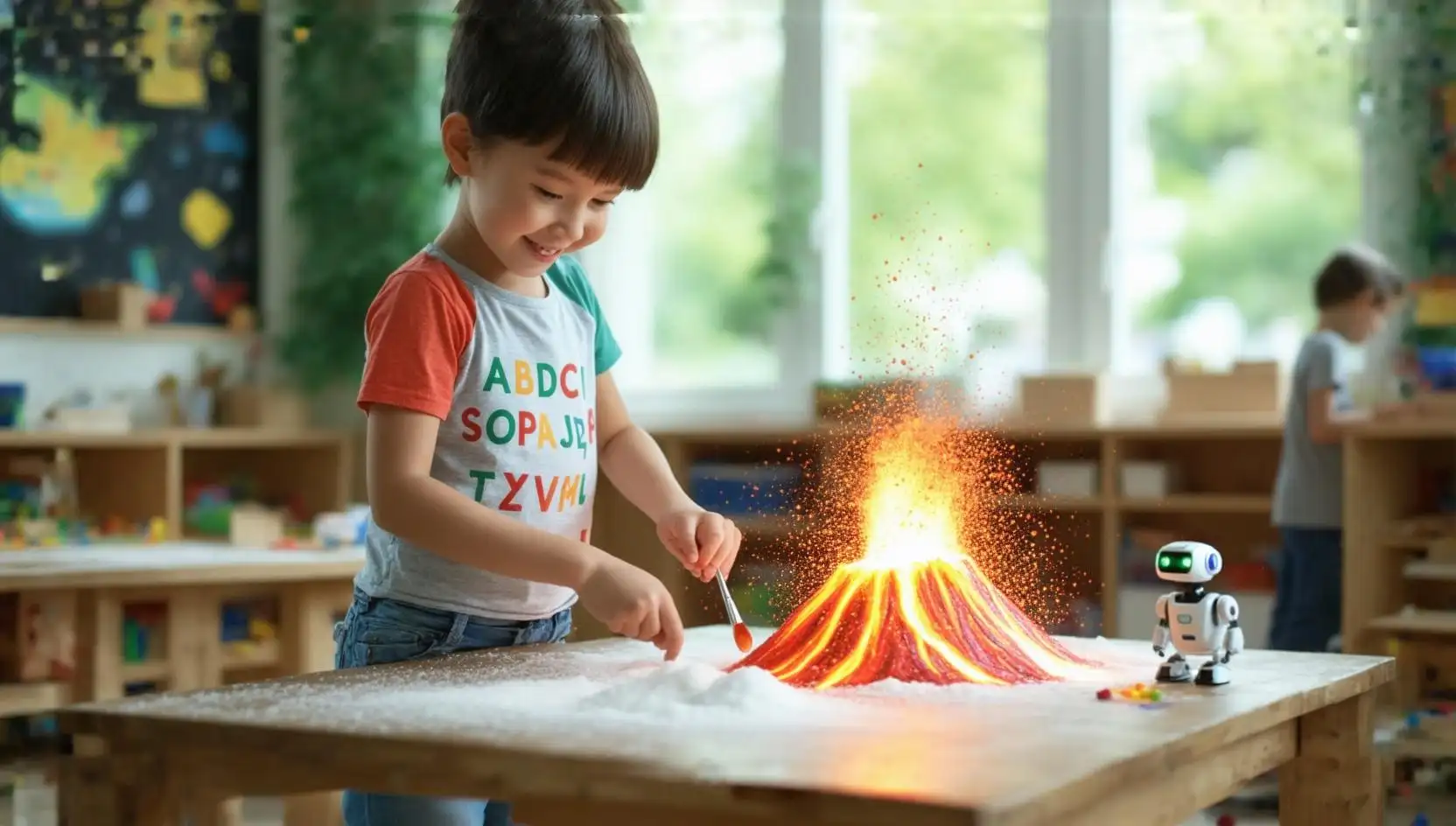
Montessori schools report 39% higher academic achievement among Gemini students compared to traditional settings. Project-based learning programs demonstrate particular effectiveness, with 73% of participating Gemini children showing improved focus duration.
Longitudinal social studies from Harvard University indicate that Gemini children maintain 42% more peer connections than average but experience 28% fewer deep friendships. Teaching emotional reciprocity techniques improves relationship quality by 35% over two-year periods.
Neuroscience research shows that Gemini children process sensory input 19% faster than peers. Implementing designated quiet spaces reduces overstimulation episodes by 57% according to clinical trials published in Pediatric Psychology.
Understanding Gemini child traits through astrology for parents provides scientifically validated frameworks for nurturing their unique potential. By combining astrological insights with evidence-based Gemini parenting techniques, caregivers can transform challenges into opportunities for growth and connection.
Disclaimer: The content provided regarding is for informational purposes only and should not be considered as professional advice. Readers should consult qualified specialists for personalized guidance. The author and publisher disclaim any liability for actions taken based on this information.
Emily Hart
|
2025.09.09
