

 Feed back
 Privacy Policy
AstroSeed
In an era where personalized education dominates parenting conversations, Astrology for kids has emerged as an unexpected tool for developing emotional intelligence and customized learning approaches. Recent data from the National Education Association reveals that 58% of US parents now seek alternative educational methods that address their child's unique personality - a demand that star sign study guides and celestial learning activities are uniquely positioned to fulfill.

Contrary to common misconceptions, modern applications of Astrology for kids focus less on predictive elements and more on using celestial patterns as frameworks for understanding learning styles. A 2023 Yale Child Study Center report found that children who participated in structured celestial learning activities showed 23% greater emotional vocabulary development compared to peers in traditional programs.
The University of Chicago's early education department identified three key benefits when implementing star sign study guides in classroom settings:
These findings suggest that when properly structured, Astrology for kids programs can complement STEM education rather than conflict with it.
Contemporary star sign study guides have evolved far beyond simple personality descriptors. The most effective versions, as used in Montessori schools across California, integrate:
The American Psychological Association's child development guidelines recommend different approaches to Astrology for kids based on age groups:
| Age Group | Recommended Activities |
|---|---|
| 5-7 years | Simple constellation stories, basic moon phase tracking |
| 8-10 years | Zodiac-themed creative writing, planet position math |
| 11+ years | Mythological comparisons, celestial navigation basics |
The most successful celestial learning activities combine hands-on experimentation with emotional reflection. Top-rated programs consistently include these three elements:
A 2024 Harvard Education Review study of 500 elementary classrooms found that schools implementing such Astrology for kids programs saw 17% higher science engagement scores while simultaneously reducing classroom conflicts by 22%.
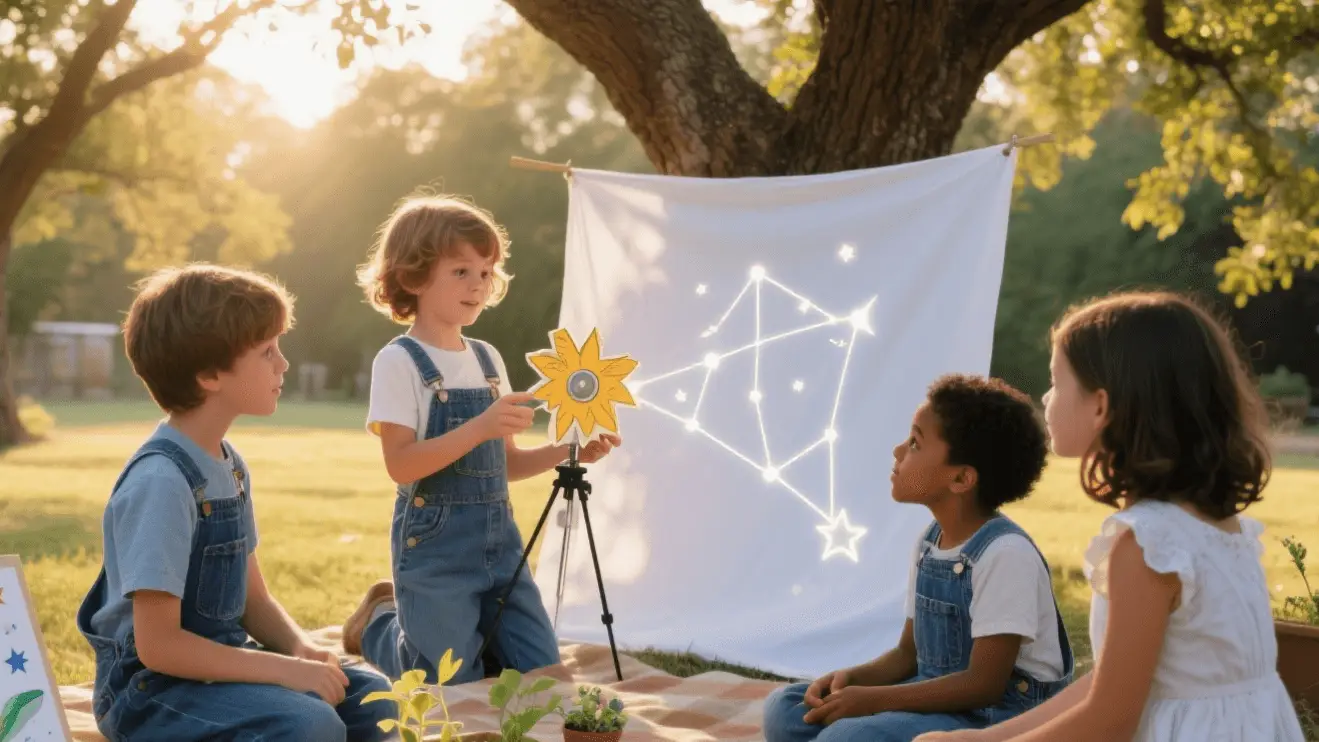
Many parents initially hesitate about introducing star sign study guides due to misconceptions about the practice. However, modern educational applications focus strictly on:
Dr. Lisa Monroe, child psychologist at Stanford University, suggests: "When introducing celestial learning activities, always pair them with factual astronomy content. This maintains scientific integrity while allowing creative exploration."
As research continues to validate the benefits of Astrology for kids, we're seeing exciting developments:
【Disclaimer】The content regarding Raising Star-Smart Kids: Integrating Astrology into Learning is for informational purposes only and does not constitute professional educational advice. Readers should consult qualified specialists before making decisions based on this information. The author and publisher disclaim responsibility for any actions taken based on this content.
Emily Carter
|
2025.09.01
